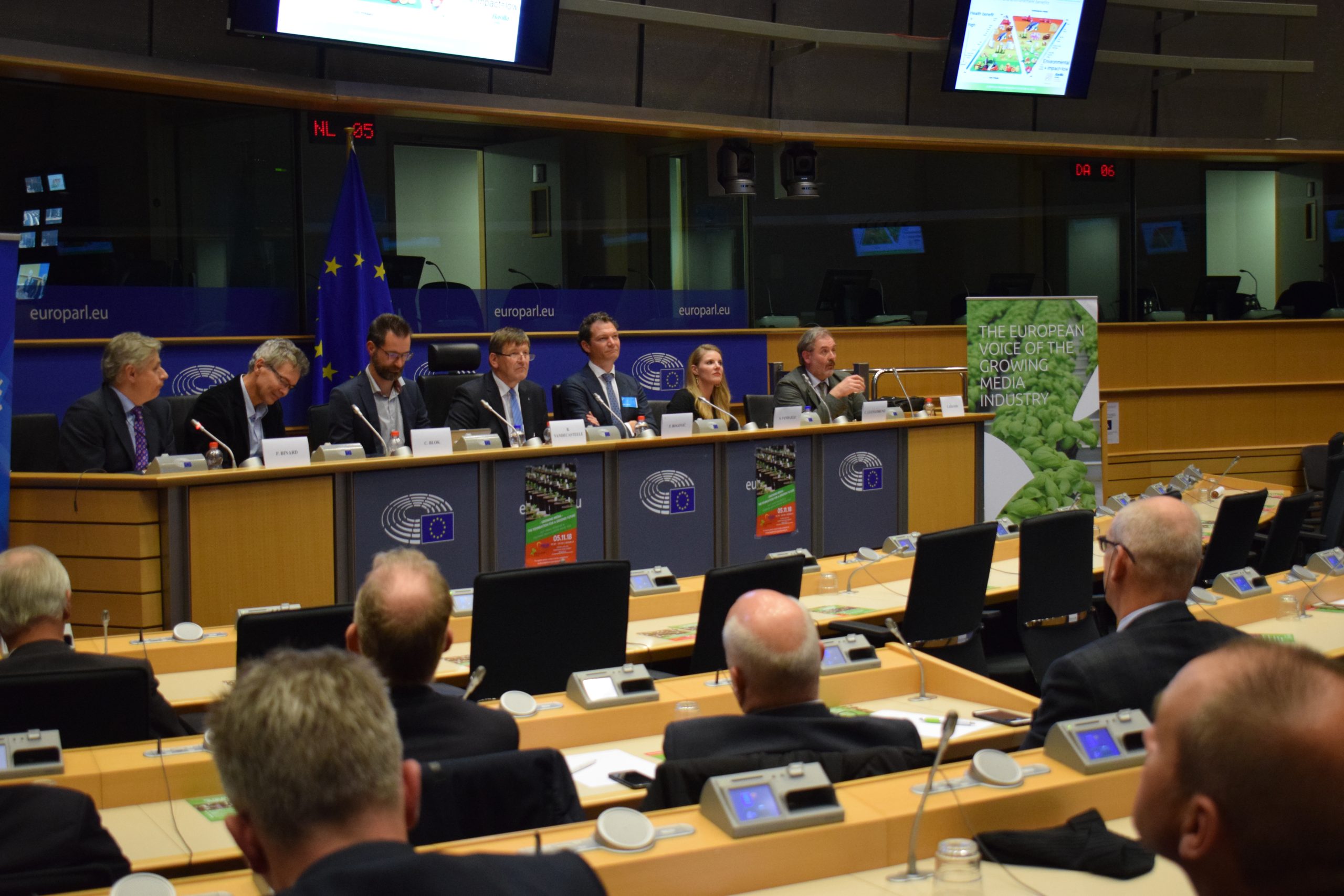
At the end of September, the European Parliament’s AGRI Committee adopted its opinion on the EU budget for 2026 and singled out controlled-environment agriculture as a production model that can deliver resource-efficient food, greater resilience to climate impacts and stronger competitiveness. It calls on the Commission and Member States to mobilise tailored policy tools and open access to European Investment Bank Group financing to scale these models. For a sector that has often sat at the edges of agricultural policy, this is a meaningful shift in tone and intent.
Europe needs this shift. Climate volatility is no longer a future scenario. Farmers are managing droughts, floods and heat spikes within the same season. The opinion links competitiveness to practical innovation on farm, including precision cultivation, digital tools and new protected-cropping systems. Putting CEA in that basket reframes it from a niche to a set of methods that help deliver strategic autonomy in food and inputs, while cutting waste, smoothing seasonality and buffering yields against extreme weather. In short, it is a productivity agenda with risk management built in.
The skills gap is the binding constraint. Our Erasmus+ project, PONICS VET Expanded, has spent the past three years building the building blocks for a European hydroponics technician profile at EQF level 5. We designed an industry-validated curriculum, a 32-hours online course, a Training Handbook and a work-based learning track of 120 hours, mapped to ESCO and other EU frameworks so that learners and employers can recognise outcomes across borders. This is exactly the kind of capacity the opinion says should be strengthened under CAP and rural development lines for training, modernisation and innovation.
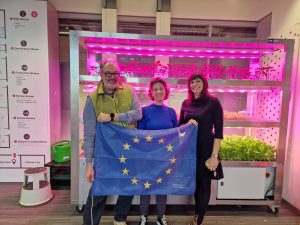
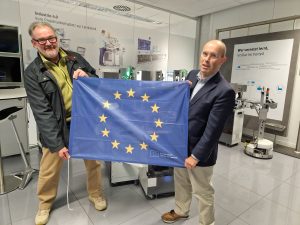
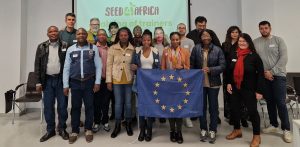
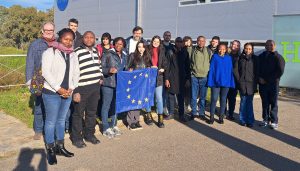
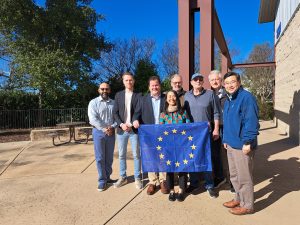
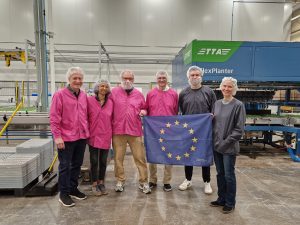
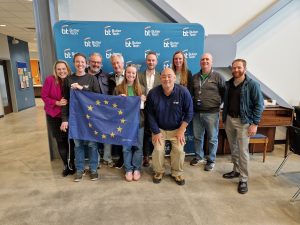
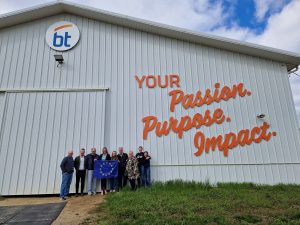
CEA is not a single technology. It is a family of practices that combine horticulture, engineering and data to control variables that otherwise destroy value. Hydroponics and modern greenhouses cut water use and nutrient losses, reduce pest pressure and enable year-round production where location or climate would normally constrain it. These are not theoretical claims for a pilot brochure. They translate into fewer crop failures, steadier labour needs and tighter quality specifications for processors and retailers. When the AGRI Committee highlights CEA as an innovation lever, it is pointing to a practical route to stable farm income and a better match between supply and market standards.
What have we learned that is useful for policy right now, as PONICS VET Expanded approaches its December close? First, entry-level roles in CEA are technical jobs with clear progression pathways. Learners can move from system monitoring to crop optimisation and then into facility management if the training is modular and aligned with recognised descriptors. That is why we anchored learning outcomes to ESCO and EQF and tested work-based learning at scale. Second, the demand signal is there. Facilities and suppliers told us repeatedly that recruitment delays hold back operational performance more than hardware. Third, replicability requires common language. Without a shared profile and units of learning, Member States reinvent materials and employers retrain at their own cost. All three lessons argue for a skills-first reading of the AGRI opinion.
How should this feed into the next steps under CAP Strategic Plans? The opinion stresses integration of digitalisation and precision farming objectives, stronger AKIS, and funding that reaches the farm gate with fewer delays. CEA training is a direct fit. Member States can use rural development measures to back accredited short courses and work placements for new entrants, and to support advisory services that translate research into operating procedures inside protected systems. Where investment support is available, it should couple hardware with people. A climate screen for grants is necessary, but it will not deliver outcomes if facilities cannot find technicians who can run fertigation, lighting and climate recipes safely and efficiently.
Finance architecture matters. The opinion explicitly invites the use of EIB Group instruments for emerging production models, which is an opening for blended finance arrangements that crowd in private capital without overburdening farm operators. Linking those instruments to certified training and to standardised job profiles would reduce risk for lenders and accelerate take-up without compromising on environmental safeguards. This is an area where a light coordination step at EU level would save time for national administrations and applicants alike.
There is also a narrative point. CEA should be presented as complementary to open-field agriculture rather than a substitute. The Parliament’s framing helps. It places CEA within a portfolio of tools to restore soil health, stabilise supply and manage water. That avoids false choices and keeps the focus on outcomes that matter to farmers and citizens. If we can keep that framing in the coming CAP cycle, we will make faster progress on both resilience and competitiveness.
As we close PONICS VET Expanded in December, our ask is simple. Carry forward what works. Adopt the hydroponics technician profile and curriculum elements where they fit national needs. Fund work-based learning through existing rural development measures. Tie investment support to training uptake so people and systems improve together. Use AKIS to pull research into day-to-day practice. And when using financial instruments, make skills an explicit eligibility criterion. This is how the recognition given to CEA in the AGRI opinion becomes delivery in farms, labs and training centres next year, not a promise that drifts until the next budget round.
FarmTech Society will keep publishing the materials from our project and will continue to convene operators, suppliers, educators and administrations. If your organisation wants to adopt or adapt the modules we have developed, or to co-design placements for learners, we are ready to work with you. The policy window is open. Let us use it to put skilled people at the centre of Europe’s CEA growth story.